Photos Are Part of the Description
Please review all photos carefully. For used, vintage, collectible, and one-of-a-kind items, the images help show condition, wear, markings, and included details.
Buyer Confidence
Buy With Confidence from SalarsNet
- •Actual item photos are included so you can inspect details before buying.
- •Condition notes are written carefully based on visible wear and available information.
- •Used, vintage, and collectible items may show normal age-related wear.
- •Questions are welcome before purchase.
Human Help
Want Me to Check Something First?
Need another photo, measurement, closeup, copyright page check, or other detail confirmed before you order? Contact me before purchase and I will do my best to help.
Condition Guide
How I Describe Condition
Used and vintage items are described based on visible wear, photos, age, markings, and available details. See the Condition Guide for the terms I use.
Authenticity Policy
What I Do and Don’t Claim
I avoid unsupported claims about authenticity, grading, rarity, provenance, or investment value. If a detail is uncertain, I say so plainly.
Questions before purchase are welcome. Seller contact, shipping details, and return terms are published before checkout.
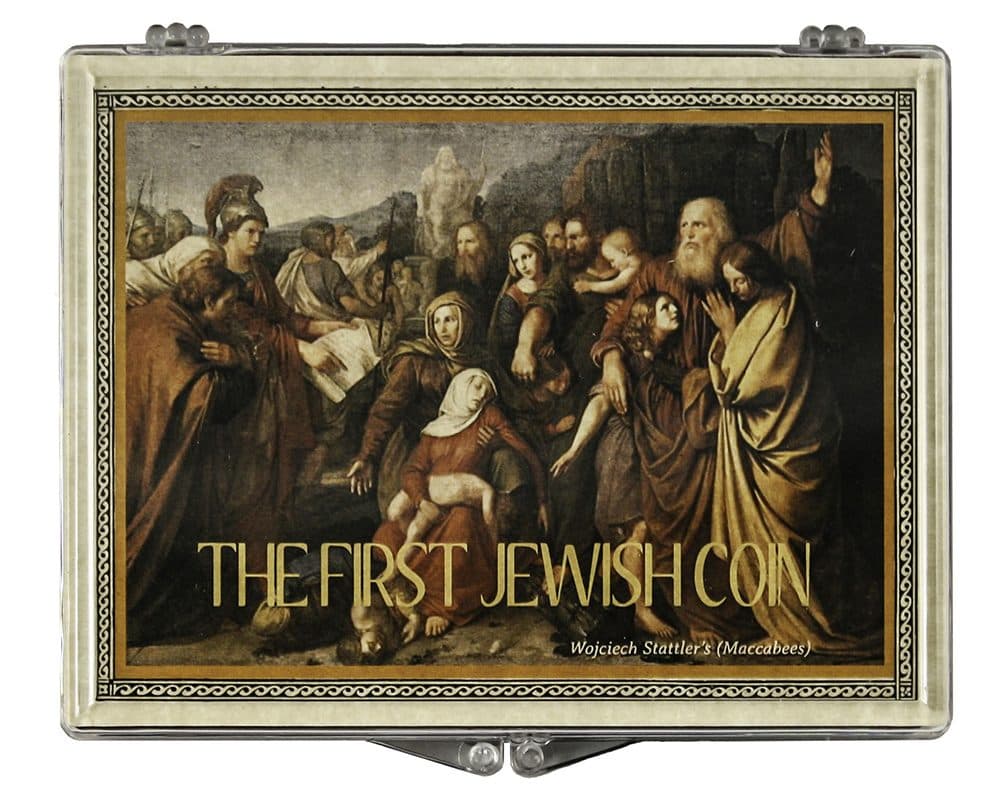
First Jewish Coin: Bronze Prutah of the Hasmonean Dynasty (Clear Box)
Description
The Jewish Kingdom was established by King David after the capture of Jebus, when his forces secured Jerusalem and united the tribes of Israel under a single monarchy. The period from approximately 1010 BCE until the Babylonian conquest in 587 BCE is known as the First Temple Period. Coinage had not yet been introduced during this era, so no Jewish coins exist from the First Temple Period. The first Jewish coins would not be struck until more than four centuries later by the Hasmonean rulers, whose successful revolt restored Jewish independence and ushered in the Second Temple Period. As described in the Biblical books of Maccabees, the Hasmoneans drove the Seleucid Greeks from Judea, expanded their kingdom, and established an independent Jewish state. This newfound sovereignty gave them the opportunity to mint the first coins issued by a Jewish government. The Second Temple Period came to an end in 70 CE when the Romans destroyed the Temple and much of Jerusalem following the First Jewish Revolt. In 135 CE, after suppressing the Bar Kokhba Revolt, the Emperor Hadrian rebuilt the city and largely barred Jews from residing there. Not until the founding of the modern State of Israel in 1948—nearly two thousand years later—would the Jewish people once again issue their own national coinage. This coin was minted between 135 and 40 BCE during the Hasmonean period. The obverse features a double cornucopia flanking a pomegranate, a fruit rich in Jewish religious symbolism. Pomegranates adorned the robes of the High Priest, decorated the pillars of Solomon's Temple, and were among the fruits brought back to Moses' scouts as evidence of the abundance of the Promised Land. Notably, the coin bears no human or animal images. The Hasmoneans generally adhered to the Jewish prohibition against graven images, favoring symbolic and religious motifs instead.
Packaging: clear box.
Images are representative of the type and general grade. The date, mint, color, toning, and exact coins received may vary unless the listing explicitly says the actual lot is shown.